
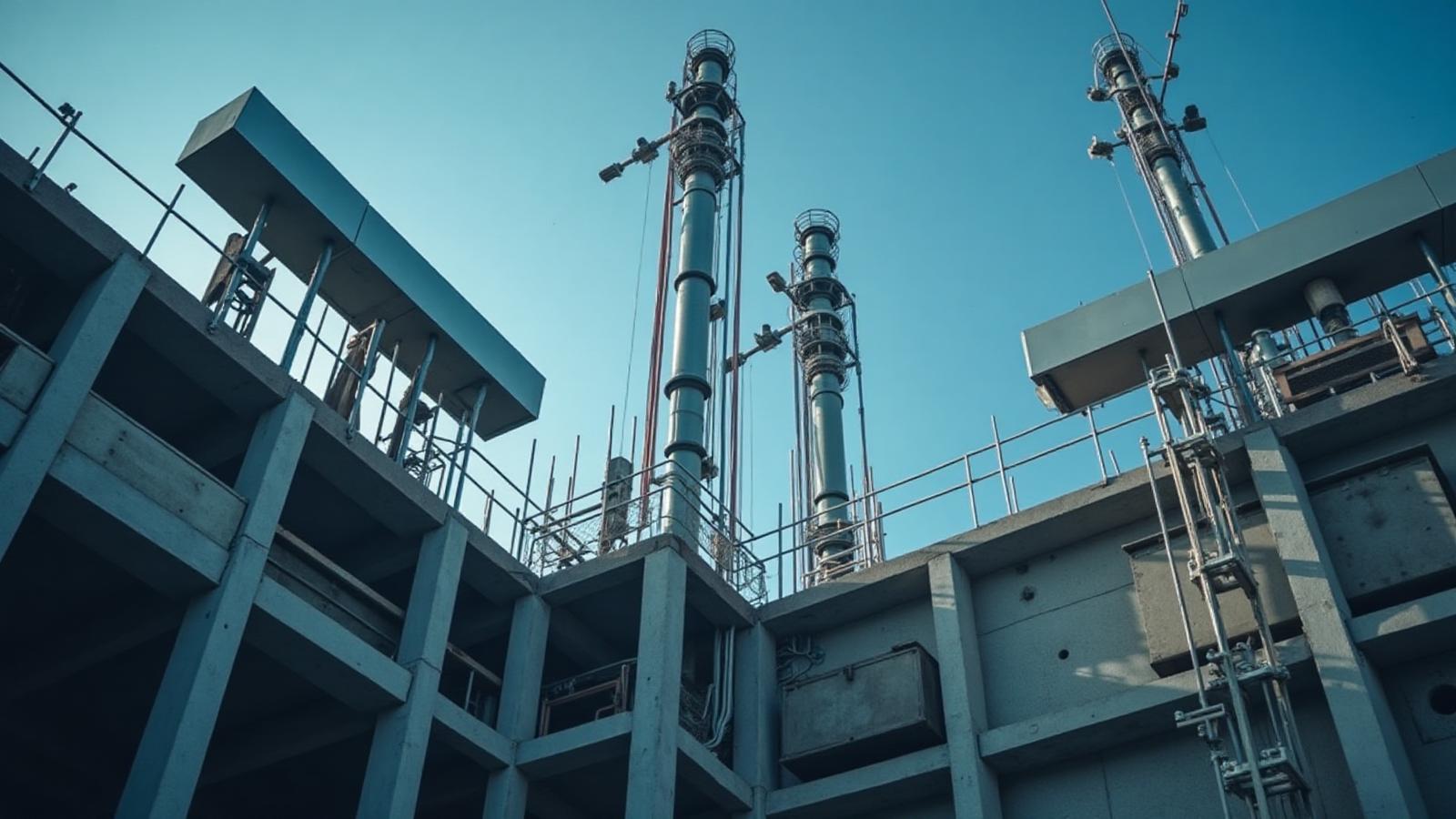
From Site Office to Structural Steel: Wiring Through a Construction Project's Lifecycle
Construction sites are the least forgiving environment cable management hardware ever has to work in — not because the technical demands are extreme, but because everything happens fast, outdoors, and usually not in the order anyone planned. Electrical contractors are running temporary power to a site office one week and permanent MEP risers through a finished building core the next, often on the same job, often with the same crew, often against a deadline that doesn't move.
Cable ties and tie mounts don't get much attention in a construction spec, but MEP and electrical contractors go through them constantly for temporary site wiring, permanent conduit and tray dressing, and everything in between. When they fail, it's rarely dramatic; it's a bundle sagging off a cable tray, a bunch of loose wiring an inspector flags, or a rework item that costs a subcontractor a day they didn't have.
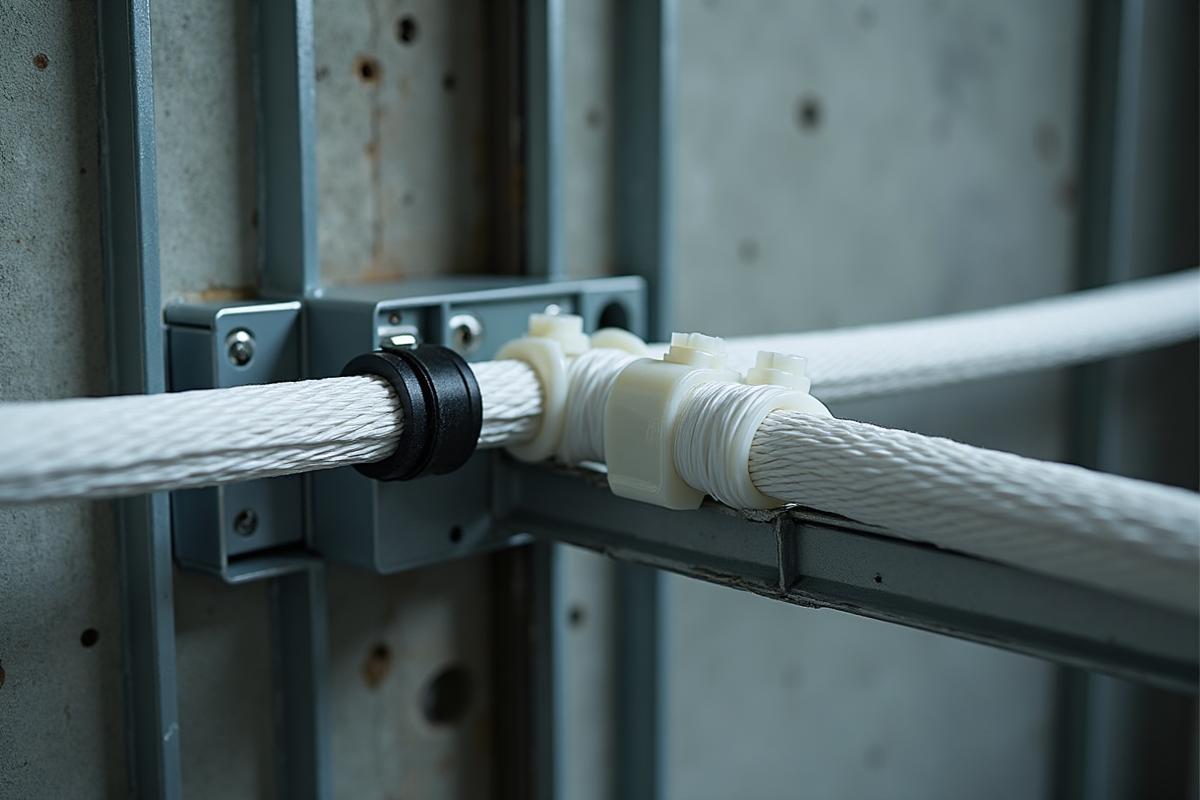
Temporary and site-power wiring
The cabling that runs to site offices, tool sheds, temporary lighting, and construction equipment takes a beating. It gets stepped on, run over, exposed to weather, and moved multiple times as the site progresses.
This is where cheap, brittle ties fail fastest, usually within weeks rather than months. VLC's UV-stabilized nylon ties, rated -40°C to +85°C, are built to survive exactly this kind of rough, outdoor, temporary use without needing daily replacement.
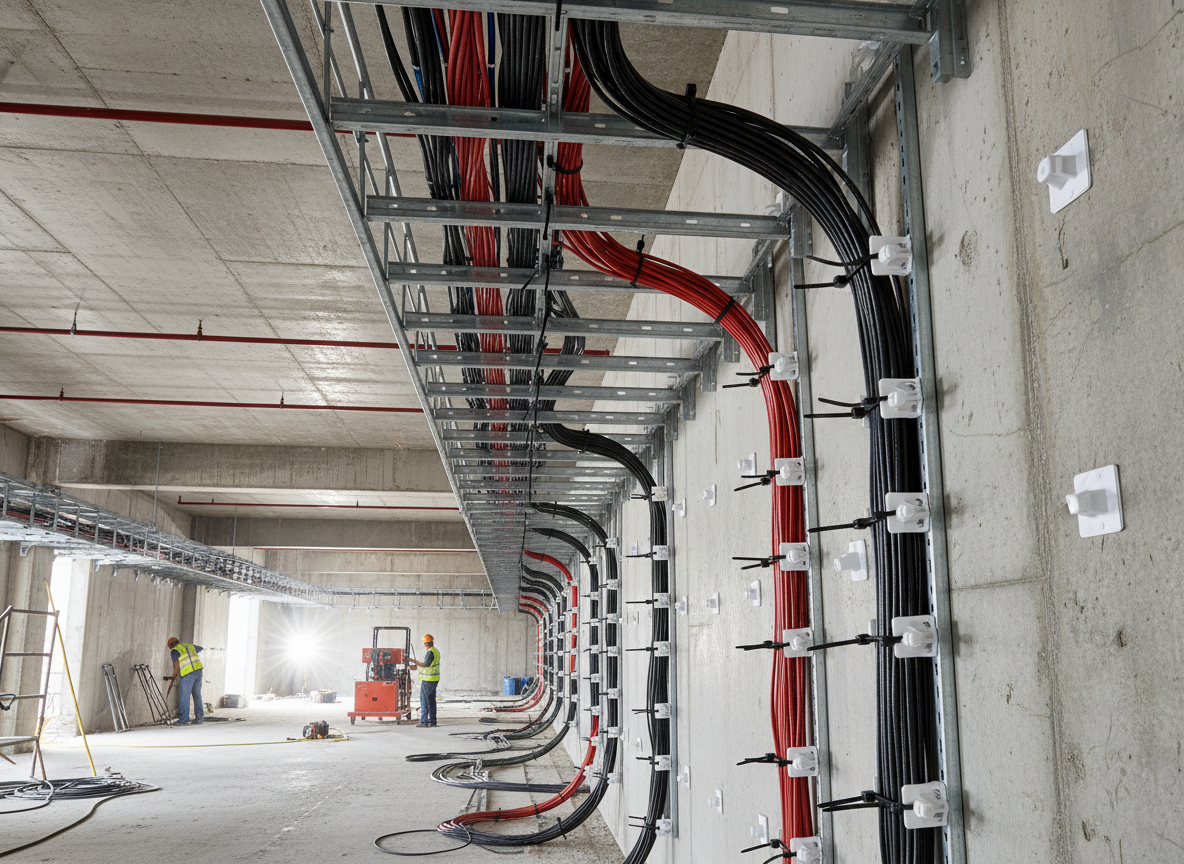
Permanent electrical and cable tray work
The wiring that stays in the building for its operating life is judged differently. This is what an electrical inspector actually looks at during a walkthrough: cables dressed along trays, bundled at consistent intervals, anchored cleanly to structural elements rather than left to droop.
Our Tie Mounts, available in both adhesive-only and adhesive-plus-screw configurations, give contractors a way to anchor cable runs securely to steel, concrete, or drywall depending on what the substrate allows — the screw-mount version in particular holds up where adhesive alone won't, on rough or dusty surfaces common on active sites.
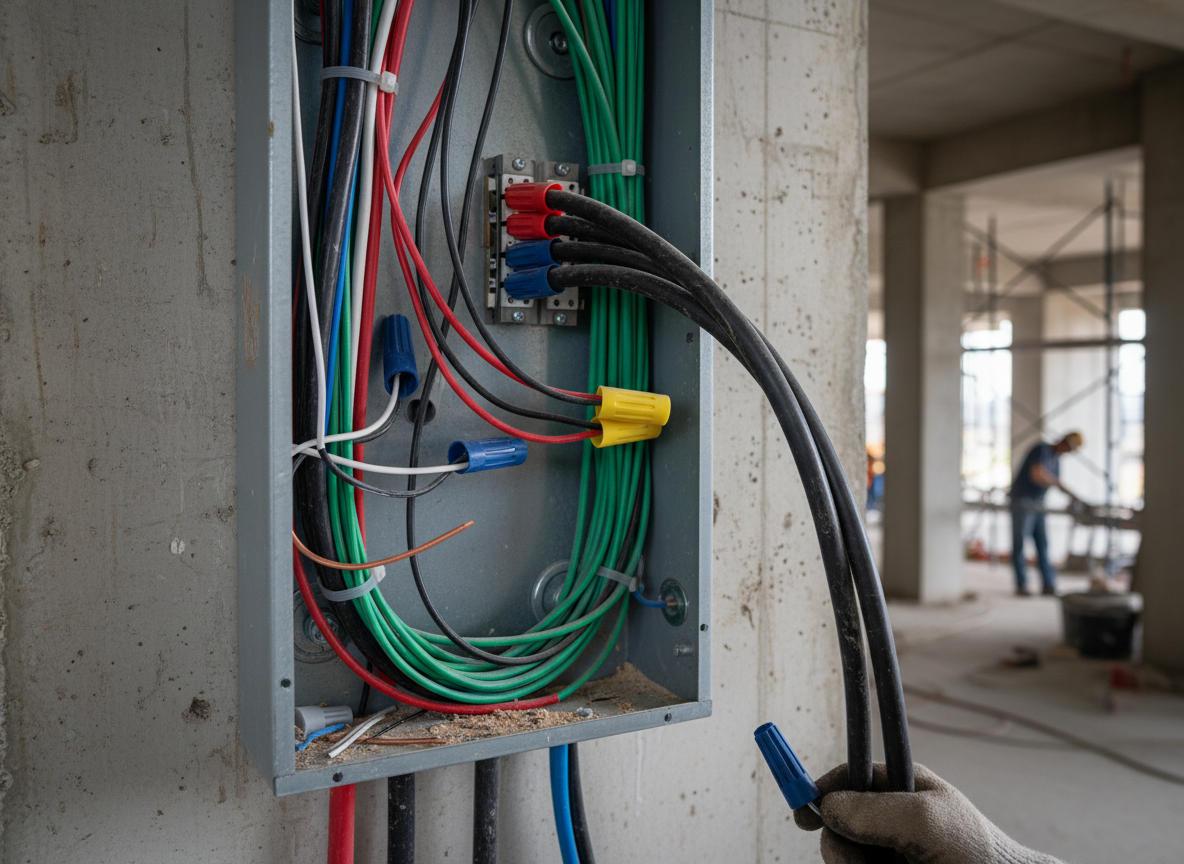
EHI Terminals — small component, yet unignorable
Where a project includes distribution boards or local control panels as part of the electrical scope, EHI Terminals give contractors the same clean, vibration-resistant wire-end termination panel builders rely on — worth specifying anywhere conduit runs into a panel rather than a fixture.
Where SS304 cable ties earn their place
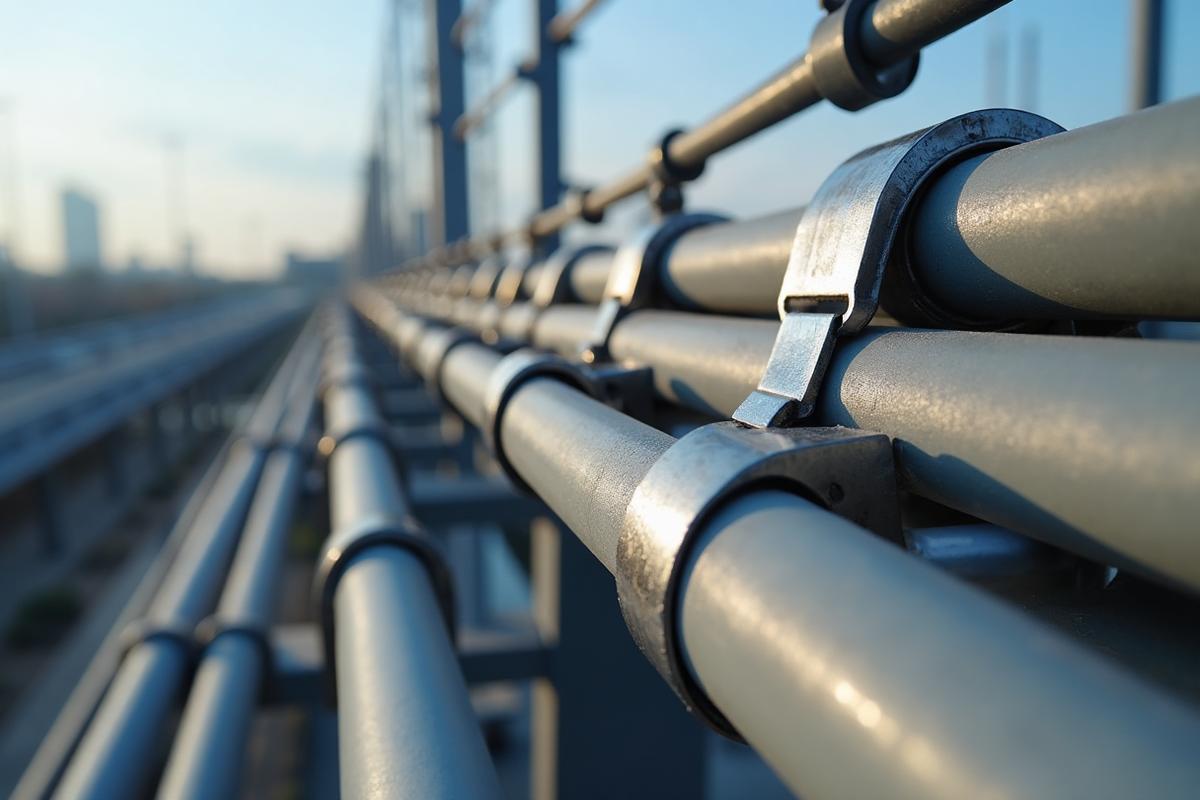
Certain zones on a construction or infrastructure project go beyond what nylon should be asked to handle — rooftop mechanical plant exposed to full weather, cabling anywhere near a chemical process area, or any application where fire-rated or high-temperature performance matters.
VLC's SS304 stainless steel ties (100-250 lbs tensile, rated up to +538°C) are built for exactly these conditions, and unlike plastic, they don't have a UV clock running against them from the day they're installed.
What contractors actually need from a supplier
Construction procurement runs differently from a manufacturing plant's — orders are often driven by what a site foreman needs this week, not a scheduled monthly reorder. That means availability and turnaround matter as much as the product itself. VLC packages cable ties in standard 100-piece packets across 37 sizes, so contractors can order exactly what a given phase of work needs without overbuying, and reorder fast when the next phase starts.
Whether you're an MEP contractor running temporary site power or a main contractor specifying permanent cable tray and conduit dressing, VLC supplies the range — nylon and stainless steel ties, tie mounts — needed to keep a site moving and pass inspection without rework.
Starting your next project phase?
Talk to us about site-specific quantities and packet sizing for your next project phase.