
Built to Outlast the Panels: Hardware for 25-Year Solar Installations
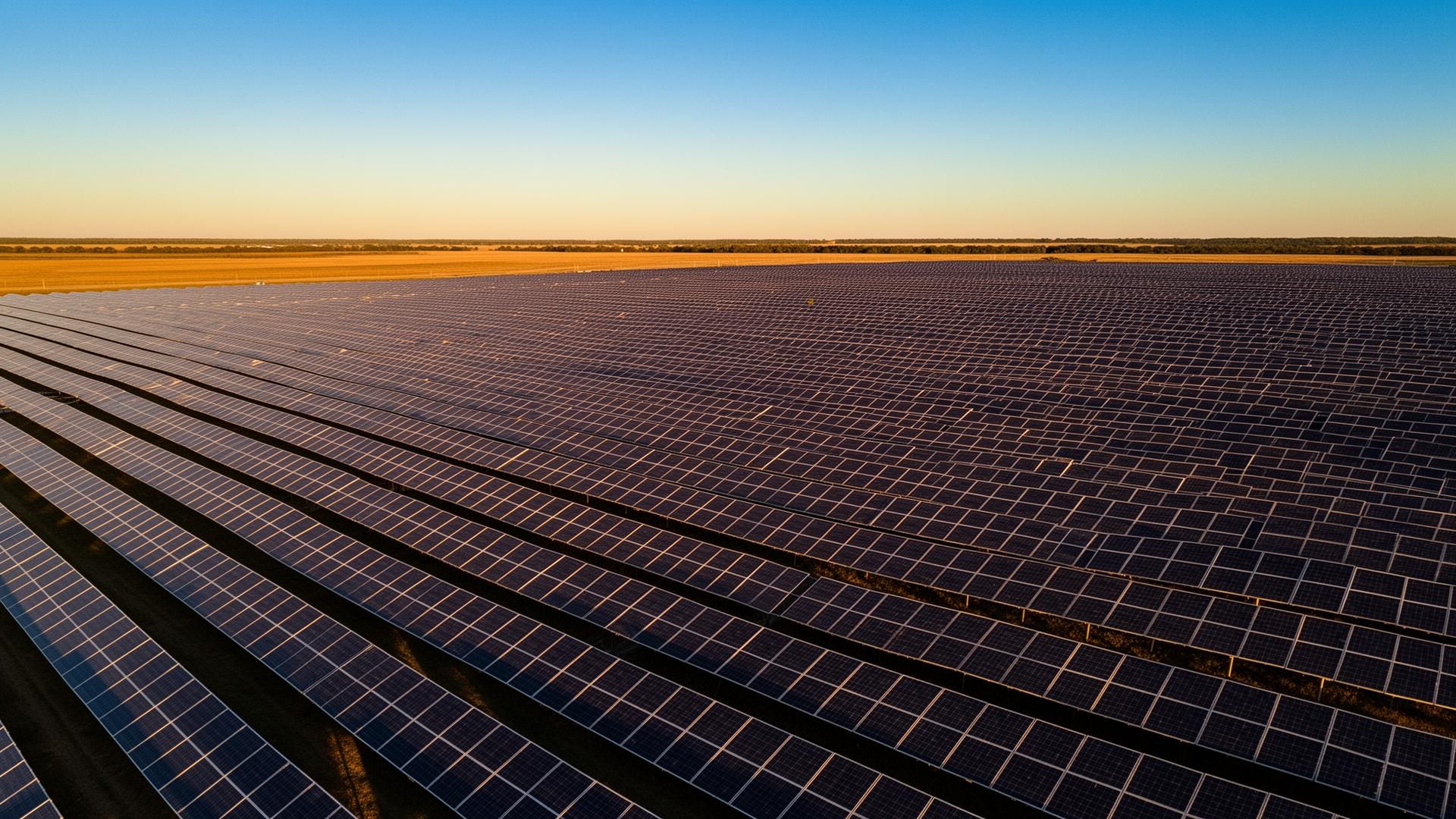
A utility-scale solar plant might run for 25 years with almost no one visiting a given string of panels more than once or twice a year. Whatever holds the wiring together at commissioning has to still be holding it together at year 20, through summer roof temperatures that regularly cross 70°C, monsoon humidity, and constant UV exposure that most plastics simply weren't designed to survive.
This is the part of a solar installation that rarely gets discussed in a project spec, but it's one of the most common sources of post-installation service calls. A cable tie that goes brittle and snaps in year three doesn't just look untidy — it also lets DC cabling sag against hot module frames, chafe against mounting rails, or hang low enough to collect water. On a rooftop C&I installation, that's a maintenance visit. On a ground-mounted utility plant spread across acres, it's a technician driving out to a site that was supposed to be unattended.
Where the wear actually happens
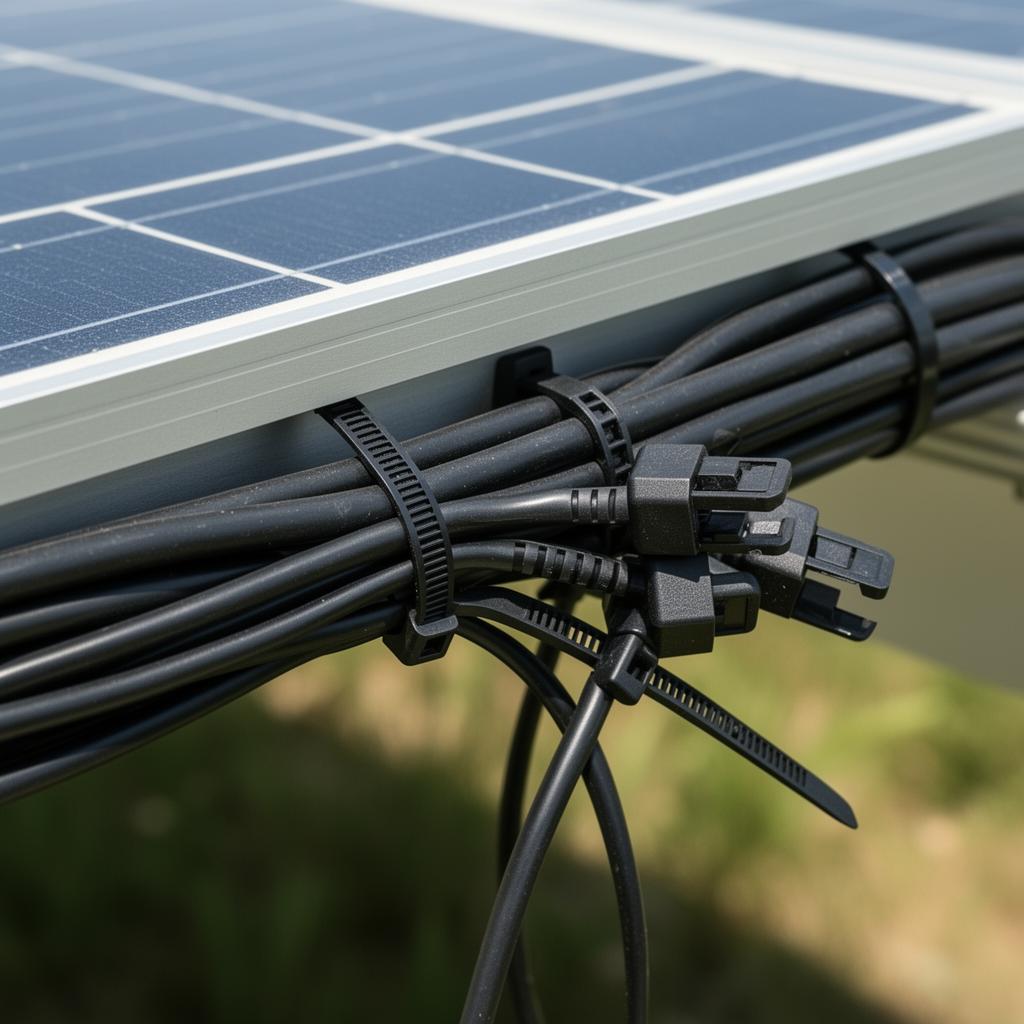
String and module-level wiring, where DC cables run along the back of panels and down to combiner boxes. This is the most UV-exposed run on the entire site — direct sun for 8-10 hours a day, no enclosure, no shade.
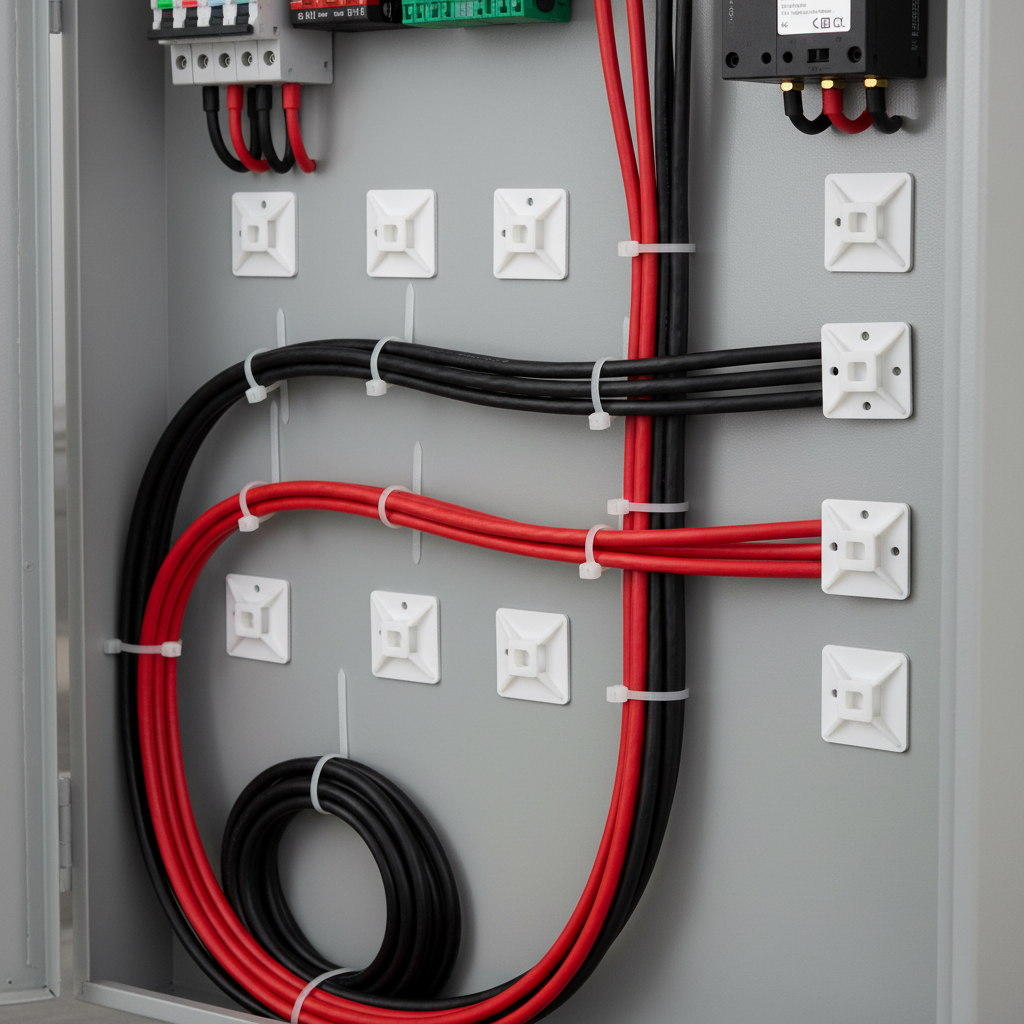
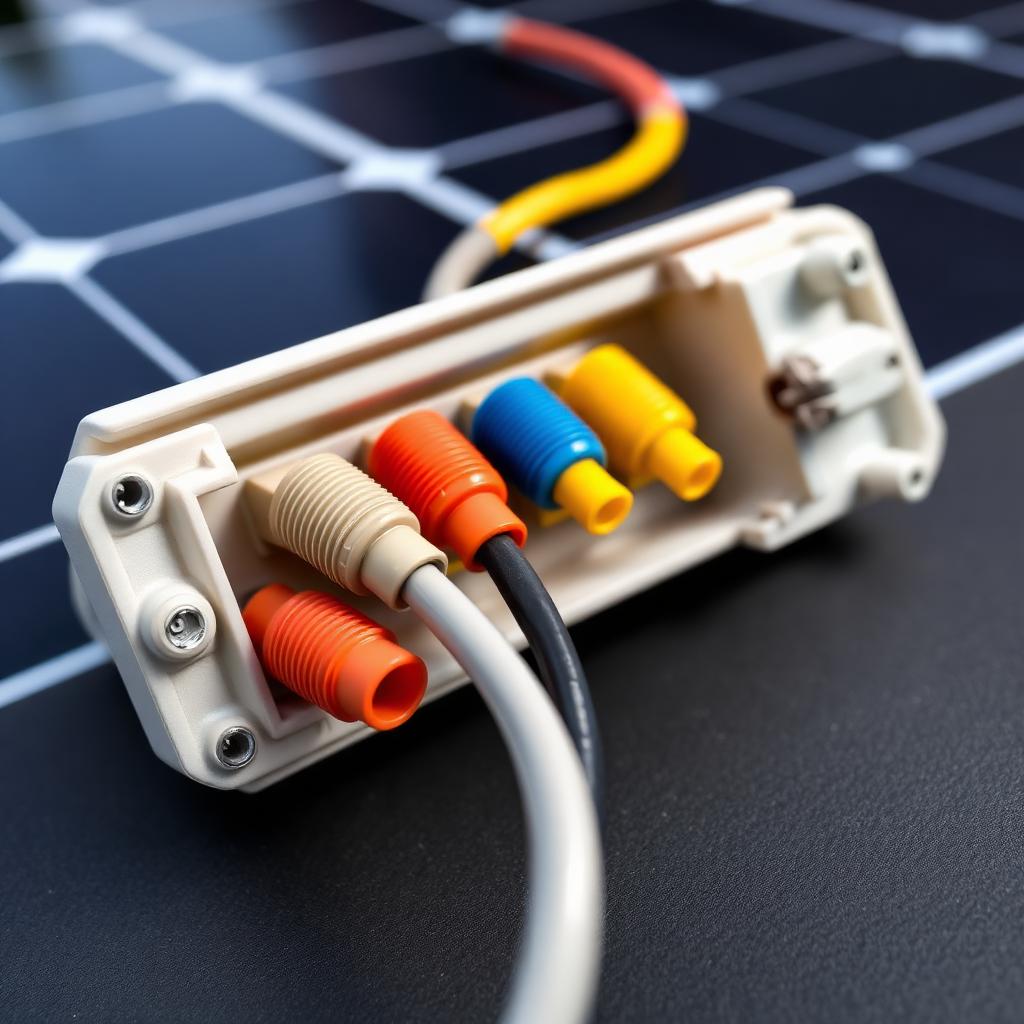
Combiner and junction boxes, where multiple strings terminate before heading to the inverter. This is where connections get made and where a poor termination shows up first, usually as resistance heating or a loose contact months later. Terminations here benefit from insulated bootlace ferrules (EHI Terminals) rather than bare stripped ends — a poor combiner-box termination is one of the more common sources of resistance heating and fault-finding headaches on an otherwise well-installed string.
Inverter rooms and mounting structures, where cabling needs to be dressed neatly along racking and structural steel, often in outdoor or semi-outdoor housings that still see heat and moisture even if they're technically covered.
What holds up, and what doesn't
Standard indoor-grade nylon cable ties are not built for this. Most begin degrading under continuous UV exposure within 12-18 months — the material turns brittle, loses tensile strength, and eventually cracks at the head, right where it's under the most load.
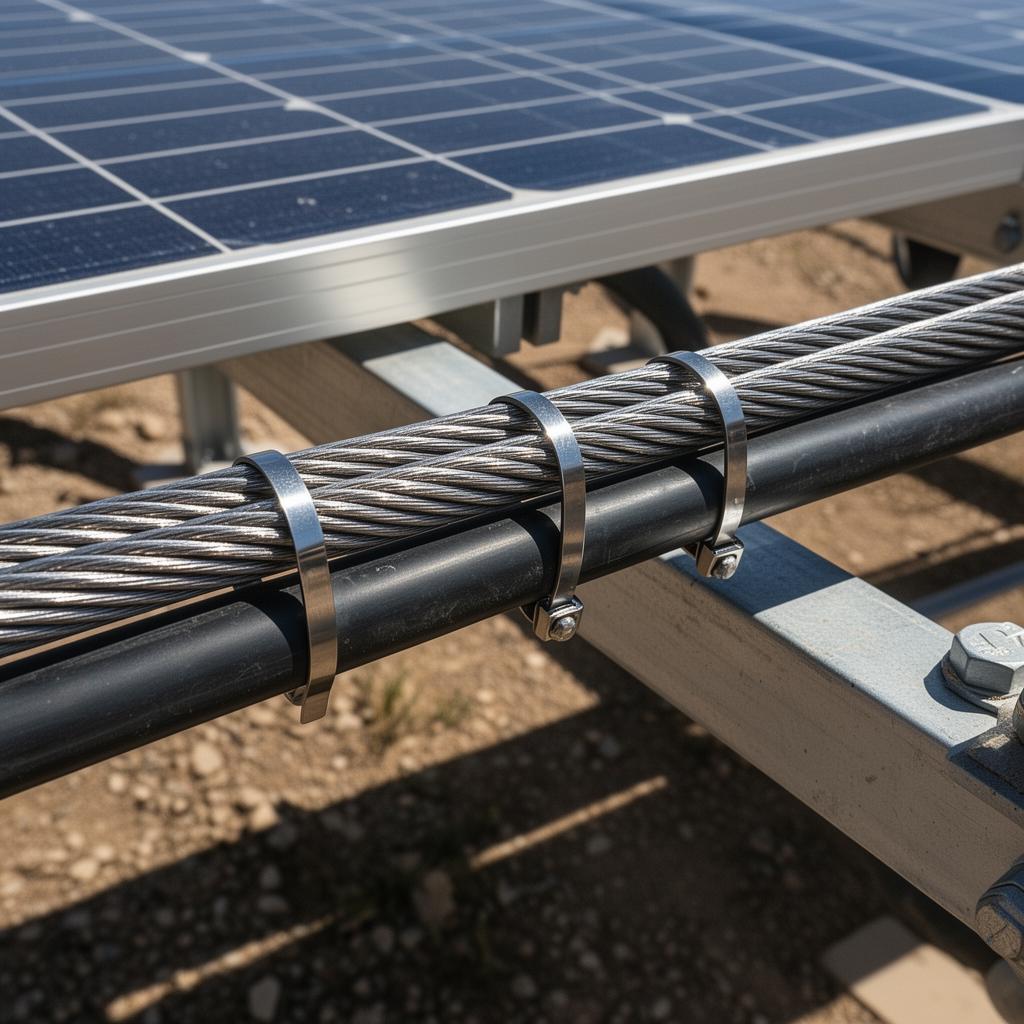
VLC's UV-stabilized black nylon ties (PA66, rated -40°C to +85°C) are formulated specifically to resist this kind of long-term outdoor exposure, and are available across 37 sizes to match everything from thin string cabling to heavier combiner-box runs. For sites in coastal, chemical-adjacent, or high-corrosion environments — increasingly common as solar expands into industrial and port-adjacent land — our SS304 stainless steel ties (100-250 lbs tensile, rated to +538°C) hold up where plastic simply can't, without the UV degradation question ever coming into play.
Anchoring at the mounting and racking level
At the mounting and racking level, our Tie Mounts (both adhesive and adhesive-plus-screw variants) give installers a clean, repeatable way to anchor cable runs to structural steel or panel frames without drilling extra holes or relying on tape that fails in heat.
Why this matters to an EPC's bottom line
Solar EPC margins are thin, and warranty callbacks eat into them fast. A cable tie failure is a small, cheap problem to prevent and an expensive one to fix after the fact, especially on plants where a service visit means mobilizing a technician to a remote site.
Specifying the right cable management hardware at install time is one of the lowest-cost ways an EPC can protect its own long-term maintenance obligations, and it's a detail that project owners and O&M teams increasingly ask about directly.
Supplying solar EPCs across India
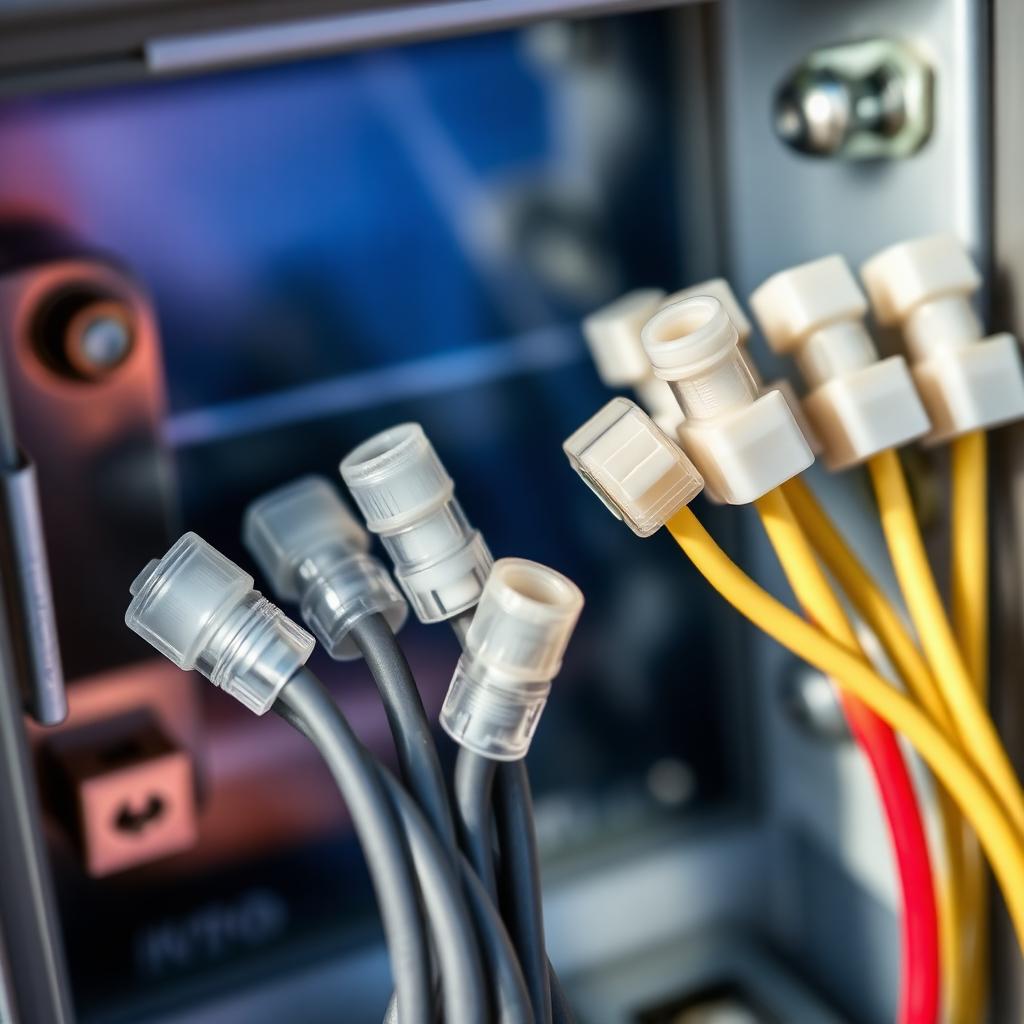
VLC supplies nylon and stainless steel cable ties, tie mounts, and wire nut connectors to solar EPC companies and installers across India, all RoHS, CE, and ISO 9001:2015 certified.
If you're specifying materials for an upcoming installation — rooftop, ground-mount, or utility-scale — we can work with your BOM directly and quote at project volumes.
Planning your next solar project?
Get in touch for bulk pricing and technical specifications suited to your next solar project.